
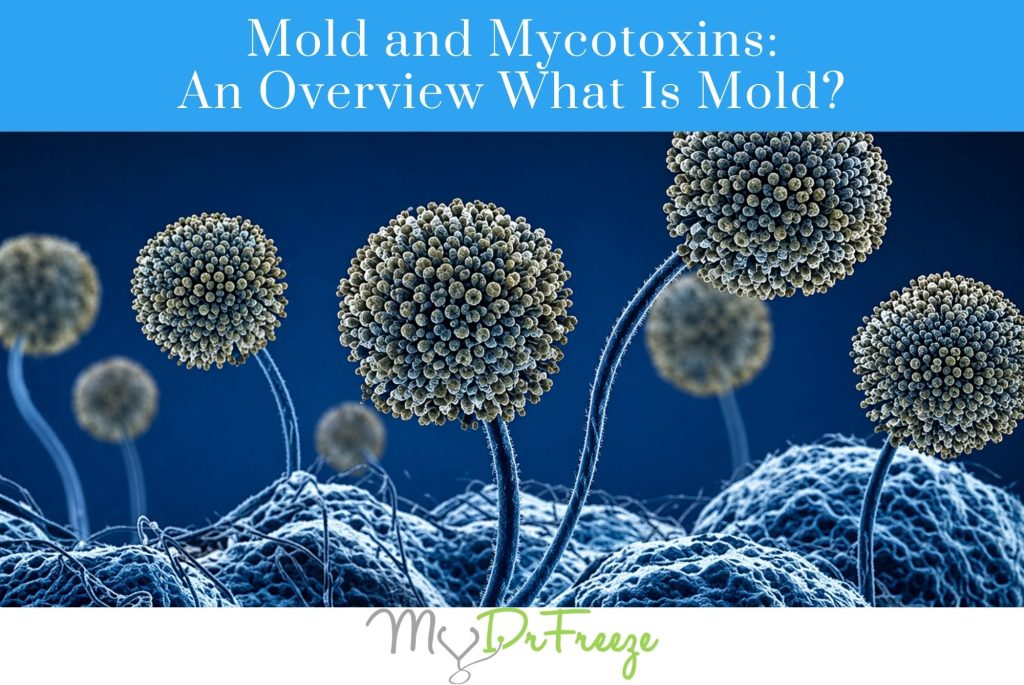
Mold is a living fungus that thrives in dark, damp, and warm environments. It is commonly present in both indoor and outdoor settings. Mold reproduces by releasing microscopic spores into the air. These spores can settle and grow in moisture-rich areas such as bathrooms, basements, leaky roofs, and even on certain foods.
Mold may produce a distinctive musty odor. In homes, it often appears as black discoloration in bathrooms or around water-damaged areas. On food, mold may appear green, fuzzy, or discolored.
When mold spores become airborne and are inhaled, they can trigger health effects depending on the type of mold and the individual’s sensitivity. Mold exposure may stimulate an immune response. The body reacts to this foreign substance by releasing inflammatory chemicals, including histamine. This can result in symptoms such as:
- Allergic reactions
- Hives
- Shortness of breath
- Wheezing
- In rare cases, anaphylaxis
What Are Mycotoxins?
Although the terms “mold” and “mycotoxins” are often used interchangeably, they are not the same.
- Mold refers to the fungus itself and its airborne spores.
- Mycotoxins are toxic chemical compounds produced by certain molds.
When crops are grown, harvested, or stored improperly, molds may develop and produce mycotoxins. Unlike visible mold, mycotoxins are invisible, odorless, and difficult to detect without specialized testing.
Mycotoxins are most commonly found in:
- Grains and grain-based products (bread, cereals, beer)
- Coffee beans
- Nuts and seeds
- Dried fruits
- Spices
- Certain fruits and vegetables
Processed foods made from contaminated ingredients may also contain mycotoxins. Because these toxins are not visible and cannot be reliably destroyed by cooking or boiling, exposure can be difficult to recognize.
Potential Health Effects of Mycotoxins
Mycotoxins can affect multiple body systems. Depending on the level, frequency, and duration of exposure, they may contribute to inflammation and impact organs such as:
- Brain
- Liver
- Kidneys
- Immune system
Chronic exposure in susceptible individuals may be associated with symptoms such as:
- Headaches
- Fatigue
- Insomnia
- Brain fog
- Mood changes
- Respiratory symptoms
It is important to note that not all mold is harmful, and not all exposures lead to illness. The effects of mold and mycotoxins depend on individual susceptibility, overall health, and cumulative exposure.
Interestingly, some molds have beneficial applications. For example, certain cheeses are intentionally produced using mold cultures, and some antibiotics are derived from mold species.
Strategies to Reduce Mold and Mycotoxin Exposure
Preventing Mold in the Home
Prevention is the most effective strategy. Mold requires moisture to grow, so controlling humidity and water damage is critical.
Recommendations include:
- Address water leaks and roof damage promptly
- Use dehumidifiers in damp areas such as basements
- Ensure proper ventilation in bathrooms and kitchens
- Clean visible mold promptly using appropriate anti-mold products
- Seek professional mold assessment and remediation when necessary
If food shows visible mold, discard it immediately. Do not attempt to cut off the moldy portion, as microscopic contamination may extend beyond what is visible.
Reducing Mycotoxins in Food
To minimize dietary exposure:
- Store susceptible foods in cool, dry environments or refrigerate/freeze when appropriate
- Purchase fresh products and avoid expired items
- Discard food that appears spoiled
- Be aware that mycotoxins are invisible and may not alter taste or smell
- Understand that cooking or boiling does not reliably eliminate mycotoxins
Some specialty products marketed as “mold-free” or “mycotoxin-tested” are available, particularly in categories such as coffee.
Clinical Considerations
Testing for Mold Exposure
Clinical testing may include environmental assessments, blood work, urine testing for mycotoxins, or evaluation of inflammatory markers, depending on practitioner judgment and patient presentation.
Treatment Approaches
Management may involve:
- Identifying and removing the source of exposure
- Supporting detoxification pathways
- Reducing inflammation
- Addressing immune system imbalance
- Supporting affected organ systems
Treatment should always be individualized and supervised by a qualified healthcare professional.