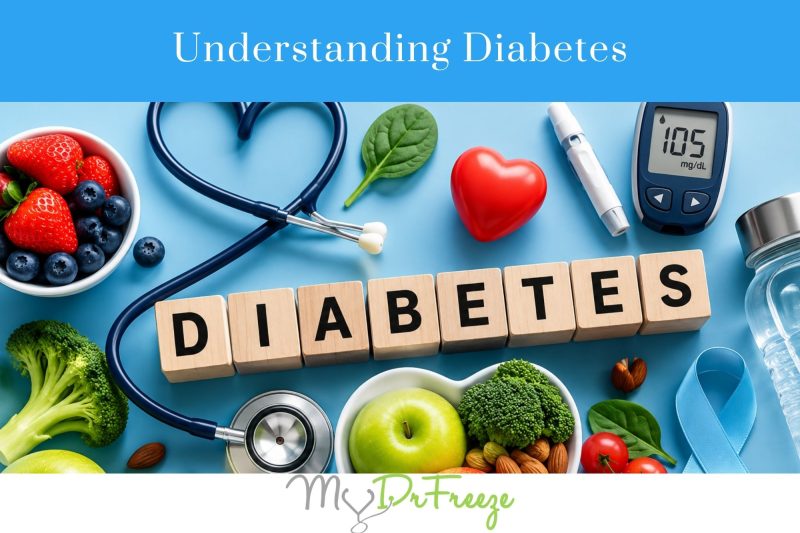
What is Diabetes? Diabetes is a chronic health condition in which there is too much sugar (glucose) in the bloodstream. Glucose is the body’s primary source of energy, but …
Mold is a living fungus that thrives in dark, damp, and warm environments. It is commonly present in both indoor and outdoor settings. Mold reproduces by releasing microscopic spores …
Environmental pollutants (EPPs) are chemicals and toxins—both natural and man-made—that can be harmful to human health. They are introduced into the environment through human activity, manufacturing, agriculture, commercial products, …
The GI tract, in summary, is the system of organs that processes food into energy. The breakdown of food into nutrients such as amino acids, carbohydrates, fats, and other …
What is Cancer? Cancer is probably the most feared of all diseases. It is rapidly becoming the number one cause of death in North America and is on par …
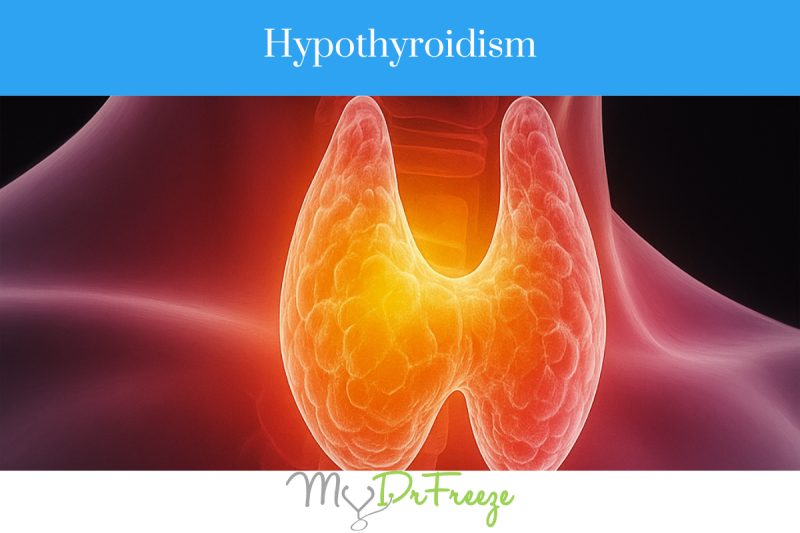
Hypothyroidism is a condition in which the thyroid gland stops producing adequate amounts of thyroid hormones. The thyroid gland is a butterfly-shaped organ located in the front of the …
Diet defined as – “the planned selection of foods and drink we as humans routinely eat” – is an extremely complex subject. There are literally dozens of “diets” to …
In our last blog post, we discussed the importance of aerobic exercise for health and disease prevention. We really like aerobic exercise, which is sustained low- to moderate-intensity activity …
In our last several blog posts, we discussed some of the most problematic health issues in our society today. Once again, they are: Hypertension, Heart Disease, and Stroke. There …
This month, we will discuss the topic of strokes (s) and brain health. We have previously discussed Hypertension and Coronary Artery Disease (CAD) in blog posts, which transition …